


Pros and Cons of Buying a New or Used Car
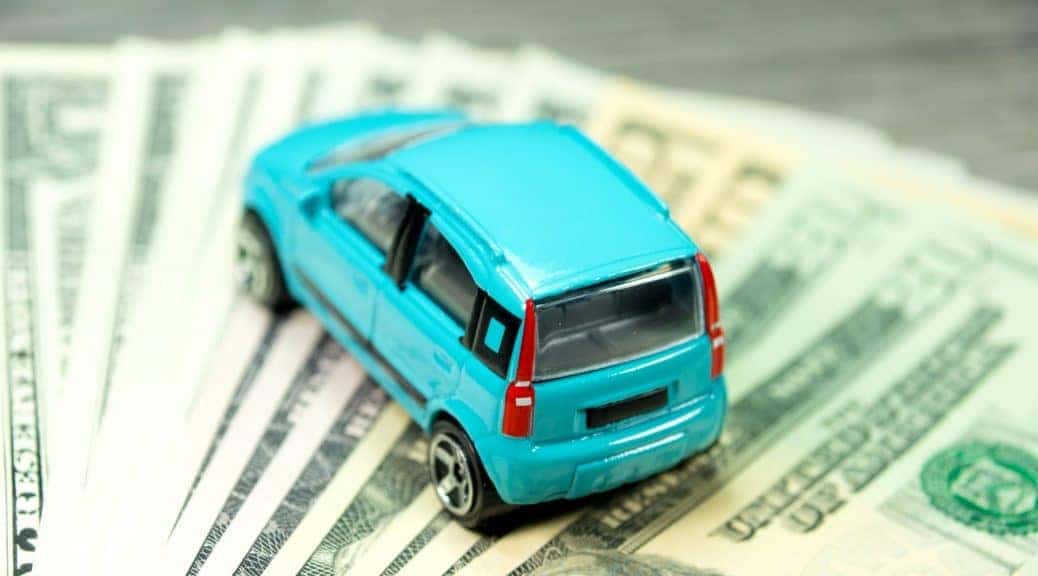
 When buying a car, there are many questions that come to mind. One of which is, “Do I want to buy a new car or a used car?” Many of us like to go by the idea that “New is always better,” but that ideology doesn’t always agree with our bank account. Of course, there are some pros and cons of both, and we thought we could help you make a decision by listing off the pros and cons for buying a new car vs a used car. Take a look.
Buying a New Car
Pros
- A new car comes with a warranty, meaning any covered repairs up to a certain number of years in combination with a maximum number of miles (duration and mileage specific to each warranty) are covered.
- It’s new! Meaning there is no wear and tear, and it has that “new car smell”.
- The mileage is at least under 100 miles, so it’s most likely reliable. Plus, it may come with some roadside assistance depending on its warranty specs.
- Depending on the dealer, they may be able to help you finance a new car via a car loan.
- The newer the car, the more current its technology and safety features are. With front collision warning and blind-spot detection today, these are a definite advantages.
- You can choose the features and options you want your new car to have versus settling for what the previous owner chose.
Cons
- The price is going to be higher for a new car, so you’ll want to do your homework for when the time comes to negotiating.
- They say a car depreciates by 15% or more the moment it’s purchased. It sounds ridiculous, but most dealerships stick to it, so there’s no second-guessing once you buy a new car. (Some dealers offer a buy-back if you return the car back within a certain number of days and within a certain number of miles. And, some states have a law called the Buyer’s Remorse law, which allows a buyer to return their car within 24 hours.)
- New cars typically have higher insurance because they are worth more and the parts to fix them cost more. And taxes may be higher because they are based on the price of the car, which is usually more.
Buying a Used Car
Pros
- Used cars are always set at a lower price than its newer counterpart. Sometimes you can find the exact model, but used, and just a year or two older.
- There’s no need to worry about the car depreciating at a rapid rate after purchase. If its previous owner owned it for 3+ years, most of the depreciation has occurred by now, and any credible dealership isn’t going to sell you a car that’s bound to breakdown soon.
- Insurance and possibly taxes will be lower for a used car.
- Choice to buy from a dealer or the owner; used cars are listed on Craigslist all the time, and a reasonable seller may allow you to take it to a mechanic to ensure it’s still in good running condition prior to a purchase.
- Dealerships tend to put a used car through inspections and sometimes provide an extended warranty, making it a certified “reconditioned” or “refurbished” used car.
Cons
- There’s no guarantee that you won’t run into problems with a used car, and since most are past their warranty, you’re own your own for any repairs.
- You can probably expect more-frequent maintenance with a used car.
- Unless the dealership provides car history report, there’s no idea how many repairs the car has had prior to being sold.
- Choices for a used car can at times be very slim, meaning you may have to settle on the features and options it comes with.
- Financing a used car may come with higher interest rates, and that may cost you more money.
- Used cars are usually several years old and can have outdated features, like roll-up windows or tape cassette players (they still exist!)
As you can see, there are just as many reasons to buy a new or used car as there is not to. It really depends on the buyer, what they’re looking for, and what hits they’re willing to take when looking to purchase a vehicle.
Photo Source: Shutterstock; Photo Copyright: Bartolomiej Pietrzyk
Previous Post Tips for Purchasing a Used Car Next Post Chrysler 200 v. Mitsubishi Lancer Comparison