


Why California is a Hub for the Chevy Volt
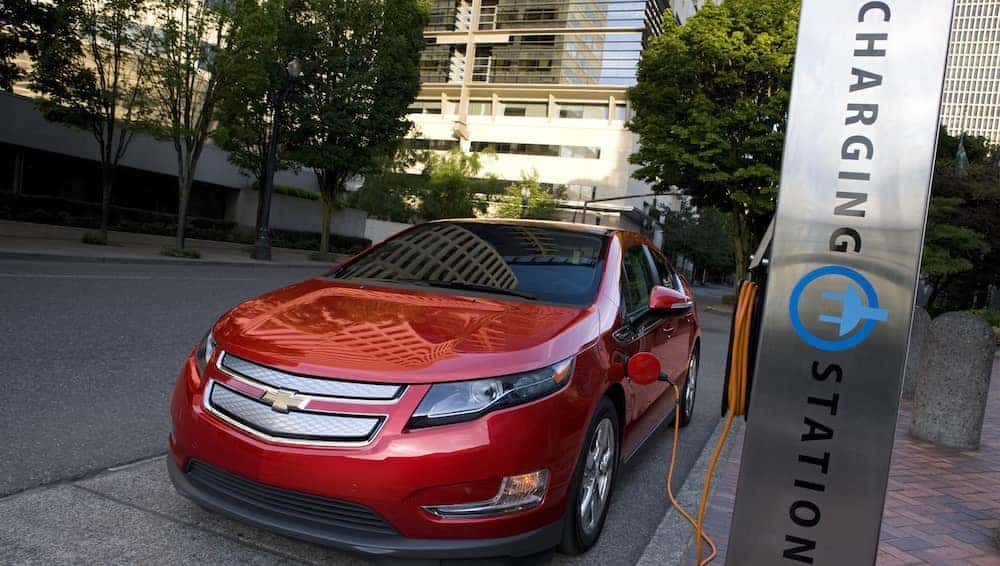
Considering the scarceness of charging stations around the United States, it’s no surprise that electric vehicles have yet to catch on. However, electric vehicles sales have slowly started to catch on in California, and there are several reasons for that boom in popularity.
_Sure, if you live on the east coast, you’re much more likely to find a Chevy Traverse in Miami than a Chevy Volt. Still, it’s important to recognize why these vehicles are important and why their popularity will continue to grow… _
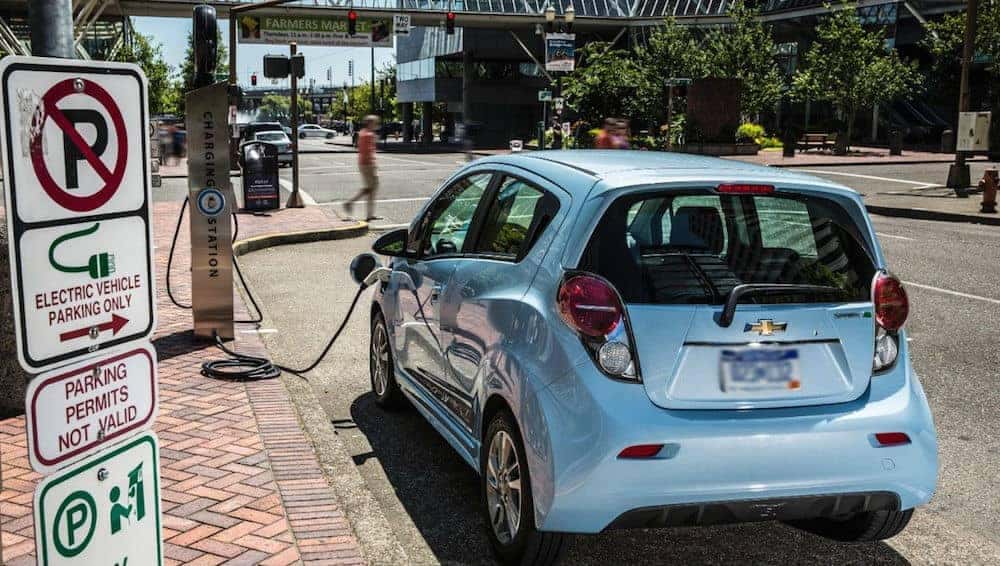
As Brooke Crothers of Forbes.com writes, the Chevy Volt and Chevy Spark are flooding dealerships in Los Angeles. While many dealers throughout the country, particularly on the east coast, have no inventory of electric vehicles, you can find dozens at multiple dealerships in California. This isn’t too much of a surprise, since the majority of the country’s charging stations are in the Golden State. Furthermore, only several states (including California) received the 2016 Volt, with most dealers waiting for the 2017 version.
So why is California such a hub for electric cars? It likely has to do with the emissions infrastructure put forth by the state’s government. With an ambitious plan to cut pollution, many residents are buying into the various environmental positives that accompany electric vehicles. Sure, drivers around the country are conscious of the environment, but legitimate action has struck interest on the west coast.
Of course, there are also more charging stations in California than any other state, as the 5,176 “pumps” account for about a third of the United States total. Furthermore, residents temporarily had an incentive to purchase electric vehicles, offering rebates to whoever ended up buying the cars. Also, after being eligible for a Federal tax credit, a customer could see a nearly $10,000 savings in their vehicle’s price. If a customer lived close to a charging station, it made plenty of financial sense to pursue an electric vehicle.
Outside of Calfornia, the lack of electric vehicle sales isn’t exclusive to new cars. The NASA Used Car Guide’s Electric Vehicle Retention Report Card shows that two-year-old hybrids and plug-ins are encountering dramatic drops in values. This is a generally bad trend for the future of the segment, even if it is beneficial to potential customers.
“Used EV demand continues to be hampered by range and technology concerns,” according to the NADA Used Car Guide’s report (via Jim Gorzelany of Forbes.com). “Many three-year-old EVs are now nearing or already to the point where they are no longer covered by their respective manufacturer’s basic warranty due to age or mileage accrual, [which is] a potential concern since an extra layer of risk is being added into the mix when used EV buyers are shopping for vehicles.”
Crothers wonders if sales will actually improve in the coming years. With the low gas prices and consumers unwillingness to spend for an unknown car, the writer anticipates sales staying pretty much the same. Regardless, we can be confident that popularity of electric vehicles will continue to grow.
Previous Post How the New Camaro is Winning Over Mustang Drivers Next Post 2016 Traverse: Best in Class Features Where They Matter Most