


Your Guide: What Does SUV Stand For?
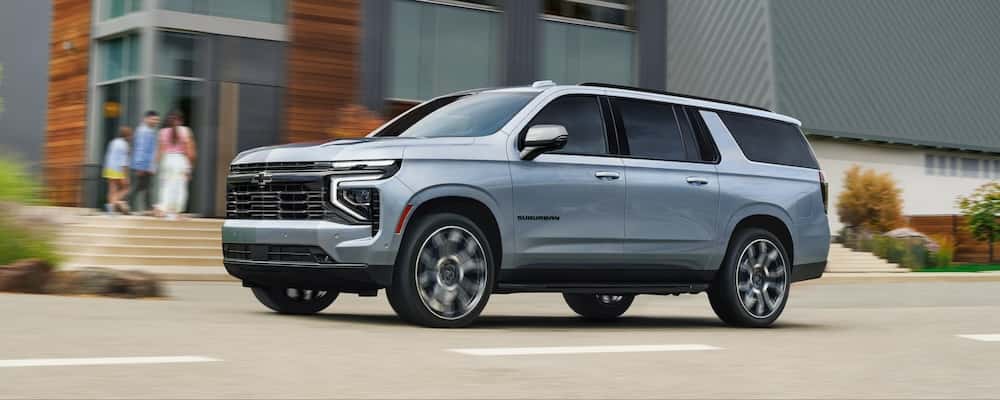
Have you ever glanced at the towering, chrome-accented fortress in your driveway and wondered what spirit truly lives within that metal frame? SUVs dominate highways because they offer a seductive combination of invincibility and comfort, transforming mundane commutes into potential adventures. However, before you climb into that command seat, you need the keys to understanding the machine.
What Does SUV Stand For?
SUV stands for Sport Utility Vehicle. It is a machine engineered to fuse the rugged “go-anywhere” utility of a truck with the passenger comfort of a luxury sedan.
In this guide, you’ll discover:
- The adventurous meaning behind the acronym
- The battlefield origins of the class
- The technical secret separating SUVs from Crossovers
- The electrifying future of the 2026 marketplace
Decoding the Beast: S-U-V
Picture yourself elevated in the driver’s seat, commanding the road with clear visibility over traffic. SUVs deliver that commanding view thanks to higher ground clearance, taller seating, and spacious interiors packed with flexible cargo room. Many offer all-wheel drive (AWD) or four-wheel drive (4WD) for confident grip in rain, snow, and on light trails, plus impressive towing power that outshines sedans’.
These vehicles cleverly blend the best traits: truck-like durability for hauling, van-like seating for passengers, and sedan-style refinement for enjoyable daily drives. Whether conquering city streets or weekend escapes, SUVs adapt seamlessly, with some built for hardcore off-roading and others optimized for effortless highway cruising.
A Legacy Forged in Steel
SUVs trace their adventurous spirit back to the 1930s, with rugged utility vehicles emerging for tough jobs. World War II supercharged development. The iconic Jeep and similar military transports, for example, proved unbeatable on harsh terrain, reliably carrying troops and gear.
Post-war, civilians embraced these durable designs. The 1940s and 1950s saw adaptations such as the Willys Jeep and early Land Rover models for farm and family use. By the 1980s and 1990s, SUVs exploded in popularity as families craved vehicles for commuting, carpools, and weekend adventures. Modern eras brought luxury touches, cutting-edge tech, and smoother rides, transforming SUVs into sophisticated all-rounders that dominate roads worldwide.
The Great Divide: SUV vs. Crossover (CUV)
Ever wondered why terms like SUV and crossover get tossed around interchangeably? The core difference lies in construction. Traditional SUVs use a body-on-frame design, like trucks, with a separate chassis for superior strength when towing heavy loads or tackling serious off-roading.
Most modern “crossovers” (CUVs) adopt unibody construction, fusing the frame and body into a single, lighter unit. This framework yields better fuel efficiency, a car-like smooth ride, and nimble handling, which is stupendous for urban life. While the lines blur today (many call all of them SUVs), truck-based models excel at rugged demands, while car-based models prioritize everyday ease and economy. Regardless of build, both deliver excitement in their own way.
Size Matters: Choosing Your Titan
SUVs come in sizes that suit every need:
- Subcompact SUVs: Nimble city warriors seating five, easy to park, fuel-sipping, and ideal for couples or urban explorers.
- Compact SUVs: With generous cargo and rear space, these family favorites balance agility with light adventure capability.
- Midsize SUVs: Roomier cabins, often third-row seating, stronger power for growing families or road trips.
- Full-Size SUVs: Massive interiors seating 7-8 comfortably, with powerhouse towing capacities for large crews or heavy loads.
No matter the category, each brings joy through space, confidence, and capability.
Charged-Up Future: Electric SUVs Lead the Way
The future is silent and powerful. By 2026, the electric SUV market has exploded, with battery technology flawlessly suited to the large floor plans of SUVs. Vehicles like the Honda 0 Series are pushing ranges over 300 miles, proving you can have immense utility with zero emissions.
The Price of Power (And Why It’s Worth It)
SUVs shine with expansive, adaptable interiors, elevated visibility that boosts confidence, unmatched versatility for family outings or gear-hauling, robust towing, and AWD traction in tricky weather.
Larger sizes might mean thirstier fuel use on big models (though efficient options abound), higher price tags than sedans (offset by long-term value), and occasional parking challenges in tight spots, yet these traits often enhance the imposing presence and safety many drivers cherish.
Ready to Embrace the SUV Adventure?
The SUV is a declaration of capability as much as it is an acronym. Whether you need to tow a camper across the Rockies or simply want to feel secure on a rainy Tuesday commute, these vehicles stand ready. The road is yours; drive it with purpose.
More from Miami Lakes Automall
How to Install a Car Battery: Easy Steps
Photo Source/Copyright: Advance Auto Parts Your car rarely dies without warning. A sluggish crank on a cold morning, a single click when you turn the key, or headlights that look tired at idle are generous heads-up signals from your battery. Learning how to install a replacement car battery isn’t a massive weekend project….
Coupe vs. Sedan: Spotting the Key Differences
Photo Source/Copyright: Dodge (left) Kia (right) Most drivers settle the coupe vs. sedan debate by counting doors. Two means coupe, four means sedan: case closed. Except it isn’t quite that simple. Browse any dealership lot today, and you’ll find sleek four-door cars sporting coupe badges without a hint of hesitation. The real distinction…
Discover the Best Features of the Chevrolet Trailblazer
Photo Source/Copyright: Chevrolet Subcompact crossovers all promise the same thing: SUV shape on a hatchback budget. Sorting the real contenders from the badge-engineered filler takes ten minutes with a spec sheet. The Chevrolet Trailblazer earns a longer look than most, mostly on what it hands you without asking extra. Two turbocharged three-cylinders, five…