


Seatbelt Beginnings To Today’s Smart Car Safety
Overview:
- Learn how early mechanical restraints evolved into modern lifesavers.
- Discover the science behind crumple zones and airbags.
- Explore the shift from crash protection to crash prevention.
- See how smart sensors and algorithms keep your family safe.
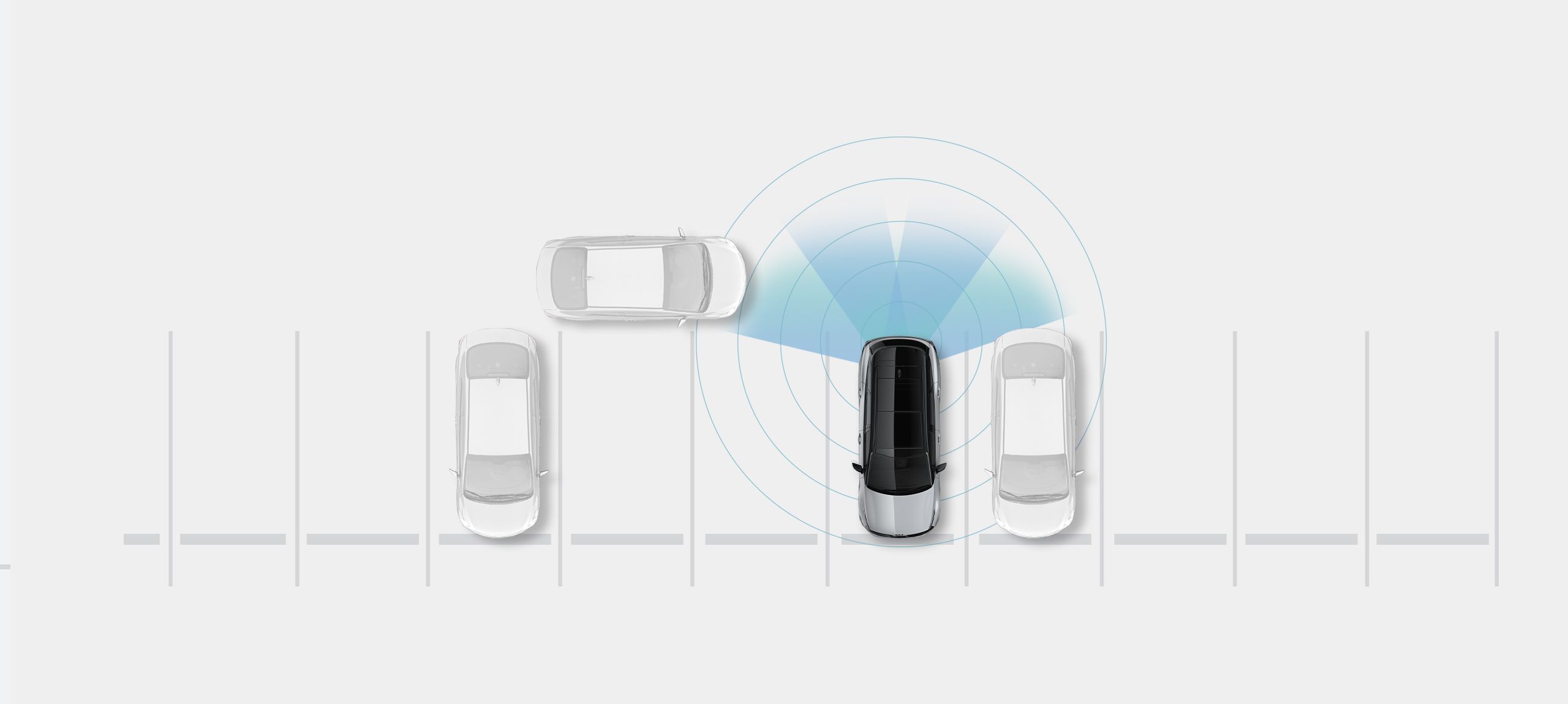
Photo Source/Copyright: Kia
How did early, fragile cars turn into today’s smart, safe vehicles? The history of car safety is an amazing story of engineering aimed at protecting human life. Imagine driving down a busy highway surrounded by fast-moving metal machines. What keeps you safe? It’s an invisible web of strong physical parts and smart digital systems that spot danger before it happens. Let’s look at the major milestones that changed how we drive.
The Forging of the Fortress: Structural Integrity and Restraints
What happens to your body during a sudden crash? Energy moves very quickly, which is why early engineers focused on keeping people inside the car and on softening the impact.
- The three-point seatbelt holds the strongest parts of your body to stop you from flying forward during a sudden stop. At the same time, special devices instantly pull the seatbelt tight the second a crash is felt.
- Engineers build crumple zones into the car’s frame to absorb crash energy, slowing down the impact and protecting the people inside. Working right alongside them, airbags use a quick chemical reaction to inflate, creating a soft cushion that gently catches your head and chest.
Mastering the Pavement: Active Accident Avoidance
How can you steer away from danger when you slam on the brakes in a panic? Active safety systems step in to help you keep control and grip the road during sudden emergencies.
- Anti-lock Braking Systems prevent wheel lockup by using sensors to monitor how fast your tires are spinning, allowing a computer to pump the brakes up to 15 times per second. This fast, automatic pumping lets you keep steering safely around obstacles while braking as hard as possible.
- Electronic Stability Control acts like an invisible hand, using sensors to compare where you want to steer with where the car is actually going. If the system senses the car starting to slide, it cuts engine power and brakes specific wheels to pull the car back onto the right path safely.
Your Vigilant Co-Pilot: Intelligent Perception Systems
Can a car stop itself if you look away for a second? Yes, modern cars use digital sensors to see the road and react on their own to keep you safe.
- Advanced Driver Assistance Systems use a mix of radar and high-definition cameras to detect objects and estimate their distance. This digital awareness enables features like Automatic Emergency Braking to calculate traffic speed and apply the brakes for you if a crash is imminent.
- Cameras mounted behind the rearview mirror continuously monitor the road lines to enable Lane Keeping Assist features. If you start to drift out of your lane without noticing, these systems gently turn the steering wheel to center your car and prevent you from running off the road.
The Horizon of Mobility: Embracing a Collision-Free Future
Looking ahead, the future of car safety gleams with promise as autonomous vehicles integrate AI-driven predictions, vehicle-to-everything communication, and enhanced materials that could virtually eliminate accidents, turning every ride into a seamless, worry-free experience.
Stay safe, stay curious, and enjoy the absolute peace of mind that comes with every modern mile you drive.
More From Miami Lakes Automall
How to Install a Car Battery: Easy Steps
Photo Source/Copyright: Advance Auto Parts Your car rarely dies without warning. A sluggish crank on a cold morning, a single click when you turn the key, or headlights that look tired at idle are generous heads-up signals from your battery. Learning how to install a replacement car battery isn’t a massive weekend project….
Coupe vs. Sedan: Spotting the Key Differences
Photo Source/Copyright: Dodge (left) Kia (right) Most drivers settle the coupe vs. sedan debate by counting doors. Two means coupe, four means sedan: case closed. Except it isn’t quite that simple. Browse any dealership lot today, and you’ll find sleek four-door cars sporting coupe badges without a hint of hesitation. The real distinction…
Discover the Best Features of the Chevrolet Trailblazer
Photo Source/Copyright: Chevrolet Subcompact crossovers all promise the same thing: SUV shape on a hatchback budget. Sorting the real contenders from the badge-engineered filler takes ten minutes with a spec sheet. The Chevrolet Trailblazer earns a longer look than most, mostly on what it hands you without asking extra. Two turbocharged three-cylinders, five…