


Car Battery Lifespan in Miami Lakes Explained
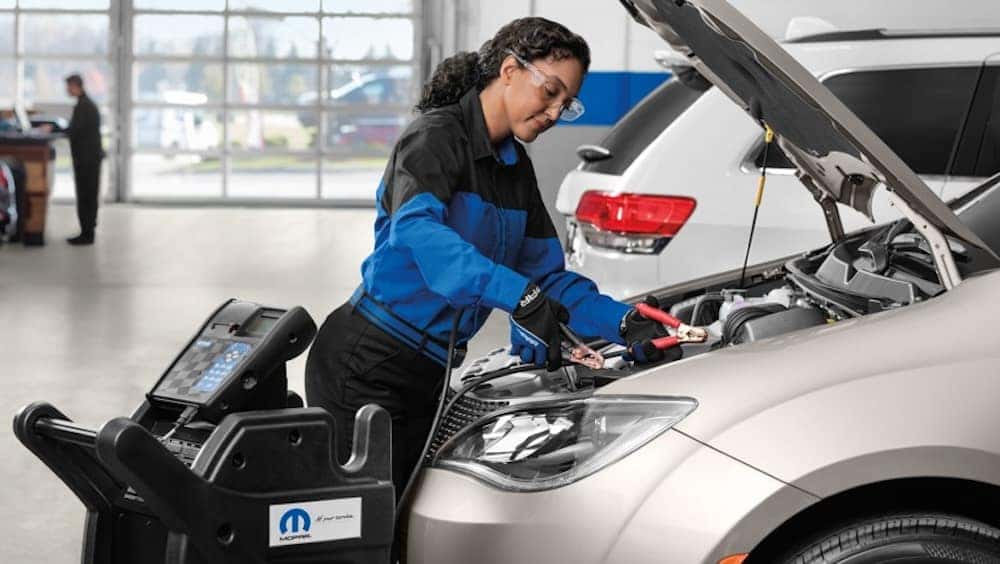
Photo Source/Copyright: Mopar
How long do car batteries last? They typically last an impressive three to five years, and with mindful care, you can push them to serve even longer. Your battery is the silent engine that powers essential electronics, keeping them running smoothly. In this guide, we explore battery lifespans, key warning signs, and practical maintenance tips.
Average Battery Lifespan
Most standard flooded-lead-acid batteries deliver reliable power for about 3 to 4 years during typical daily commutes. Operating your vehicle under high-stress conditions, such as extreme heat or frequent five-minute drives, can reduce its lifespan to just one or two years.
Extreme temperatures quickly evaporate the liquid electrolyte, dramatically accelerating the corrosion of internal lead grids. On the other hand, drivers in temperate climates who practice regular maintenance can routinely see their batteries last five to six years. Proper care ensures optimal performance while helping you confidently avoid premature roadside failure.
Factors That Affect Battery Life
- Driving habits: Frequent short trips prevent your alternator from fully recharging the battery, leading to permanent capacity loss. Longer drives allow the electrical system to replenish energy reserves and prevent damaging sulfur buildup.
- Climate: High temperatures accelerate chemical reactions, significantly increasing internal grid corrosion. Cold winter weather thickens engine oil and increases electrical resistance, requiring much more power to start.
- Vehicle accessories: Always-on dashcams and advanced infotainment systems can continuously drain your electrical system when parked. This constant energy draw forces the battery into deep-discharge cycles that rapidly deteriorate its internal components.
- Battery type: Absorbent Glass Mat (AGM) batteries utilize fiberglass mats to hold the electrolyte, offering superior vibration resistance. While standard batteries are highly affordable, AGM variants efficiently handle extreme temperatures and heavy modern electrical loads.
- Maintenance: Keeping your battery terminals clean prevents acidic buildup from blocking electrical flow to your starter motor. Proactively scheduling routine voltage inspections identifies hidden internal weaknesses before they cause a sudden ignition failure.
Signs Your Battery Needs Replacement
- Slow engine start or a sluggish cranking noise.
- Dim headlights or struggling electronic windows.
- Illuminated dashboard battery warning light.
- Visible acidic corrosion, or a visibly warped casing.
- A sulfur or rotten-egg smell indicates gas leaks.
How to Extend Battery Life
- Schedule routine battery inspections: Request an annual load test to measure your available cold-cranking amps accurately. This preventive step ensures you replace a deteriorating unit before it drops below the critical capacity threshold.
- Clean battery terminals and clamps: Gently scrub the connection points with baking soda and water to neutralize corrosive buildup. Applying a thin layer of petroleum jelly afterward creates a reliable moisture barrier against future degradation.
- Check electrolyte levels and fluid: For unsealed batteries, verify that the electrolyte fully covers the internal plates to prevent rapid overheating. Adding distilled water to low cells restores the chemical balance and maximizes remaining service life.
- Replace the battery proactively to avoid getting stranded: Upgrading your aging battery after 3 years safeguards your vehicle’s sensitive computers from damaging voltage drops. This forward-thinking replacement eliminates the stress of unexpected breakdowns and effectively protects your alternator.
When to Replace the Car Battery
To determine the exact time for a replacement, automotive technicians simulate starting events using advanced load-testing equipment. During a standard 15-second load test, a healthy battery’s internal voltage must strictly stabilize above 9.6 volts.
If the voltage drops below this baseline, the internal components can no longer sustain the required chemical reactions. Owners should also generally replace batteries once their total capacity health dips below 80 percent.
A battery rarely fails at a convenient moment, so testing early is the safest approach. With the right inspections and a little preventive care, most drivers can keep their vehicles starting reliably and avoid an unexpected roadside delay.
More from Miami Lakes Automall
How to Install a Car Battery: Easy Steps
Photo Source/Copyright: Advance Auto Parts Your car rarely dies without warning. A sluggish crank on a cold morning, a single click when you turn the key, or headlights that look tired at idle are generous heads-up signals from your battery. Learning how to install a replacement car battery isn’t a massive weekend project….
Coupe vs. Sedan: Spotting the Key Differences
Photo Source/Copyright: Dodge (left) Kia (right) Most drivers settle the coupe vs. sedan debate by counting doors. Two means coupe, four means sedan: case closed. Except it isn’t quite that simple. Browse any dealership lot today, and you’ll find sleek four-door cars sporting coupe badges without a hint of hesitation. The real distinction…
Discover the Best Features of the Chevrolet Trailblazer
Photo Source/Copyright: Chevrolet Subcompact crossovers all promise the same thing: SUV shape on a hatchback budget. Sorting the real contenders from the badge-engineered filler takes ten minutes with a spec sheet. The Chevrolet Trailblazer earns a longer look than most, mostly on what it hands you without asking extra. Two turbocharged three-cylinders, five…