


Innovative Highlights of Mitsubishi Motors in the Auto Industry
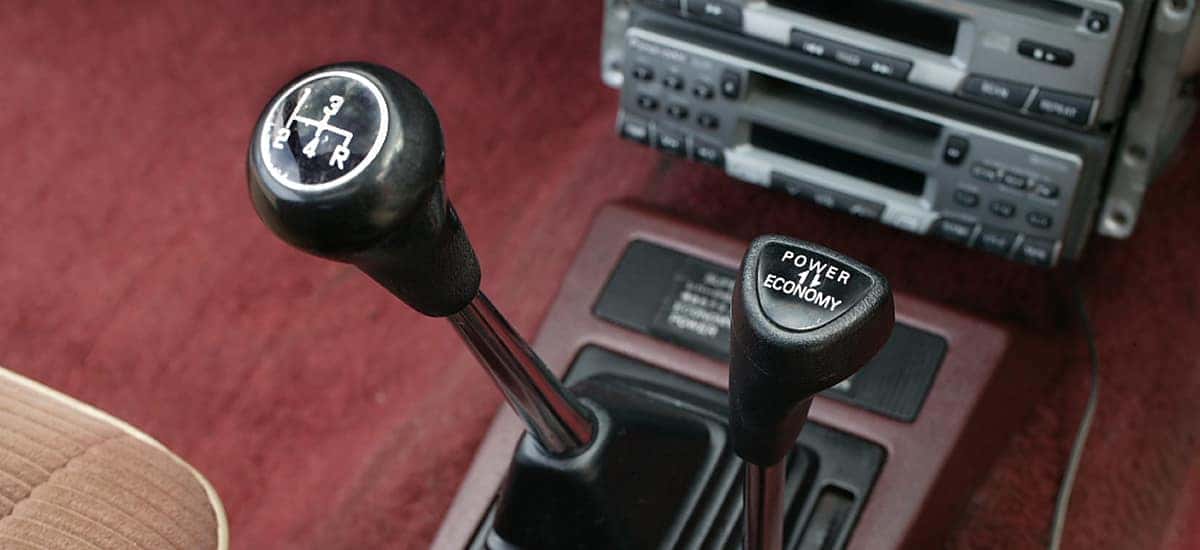
Now that all three automakers of the Renault-Nissan-Mitsubishi Alliance are on board with the new Ampere battery-electric vehicle facility, the alliance expects new models to come to Nissan and Mitsubishi Motors in the next few years. Back in 2020, Mitsubishi was supposed to be the first automaker to release something new to the industry. Instead, it released new generation models of its SUVs and ignored battery-electric vehicle (BEV) technology. Now that all major automakers are going electric, the Alliance is doing some catch-up with Ampere. Some automakers are also looking into ways to keep the feeling of manual shifting that automotive enthusiasts love by designing electric automatic transmissions that simulate the feeling of manual shifting, up to 14 gear ratios. It sounds impressive, but Mitsubishi Motors was pretty innovative back in the day, designing a manual transmission with eight-gear ratios at a time when that kind of tech was unheard of.
The 1970s were a great time to be a Mitsubishi Motors consumer. Three major advancements came from the automaker during this decade. Changing the way powertrains work, Mitsubishi introduced an upgrade to engines and transmissions. In 1976, Mitsubishi designed the Silent Shaft engine, a new take on 4-cylinder engines that reduced the amount of noise the motor made. Back then, noise-vibration reduction wasn’t yet invented, and this kind of innovative thinking made the Japanese automaker very popular with the industry after it patented the design. Big names like Porsche even bought a license to use the technology in its own powertrains at the time.
In terms of transmissions, we mentioned an eight manual-speed transmission that Mitsubishi released. Called the Super Shift transmission, this manual transmission could deliver eight different gear ratios paired with a two-wheel drivetrain. Designed with a unique two-speed high-low selector, the Super Shift also offered something no vehicle does today – two different speeds for driving in reverse. No other vehicle has and maybe never will imitate this.
Although Mitsubishi Motors has been ignoring the BEV game a little bit, that wasn’t always the case. In the 70’s, Mitsubishi released was researching electric vehicle technology, and was the first automaker to mass-market an electric vehicle. Later in 2009, Mitsubishi released the i-MiEV, the only highway-capable all-electric vehicle of its kind at the time. Lasting for several years, you can’t find the i-MiEV in the States anymore, but Mitsubishi Motors did bring its super popular Outlander PHEV to America after its decades of success overseas.
The 90s were also an interesting time for Mitsubishi Motors. Traction Control Systems may seem common now, a standard safety feature in all vehicles on the market, but that wasn’t always the case. It wasn’t until 1990, that Mitsubishi Motors became known as the first automotive maker in the world to design a Traction Control System. Now, everyone has it, and this wouldn’t be the first time Mitsubishi started a trend. In the mid-90s, automakers were experimenting with a new type of fuel delivery for their engines – gasoline-direct injection (GDI). Mitsubishi Motors was the first automaker to release a working design that increased performance and fuel efficiency. After seeing its success, many other major automakers would follow suit.
Is it surprising? Mitsubishi Motors seems to wow the auto industry every 20 years. The 70’s, the 90’s, and in 2013, the Outlander PHEV was first introduced. Now, it’s the flagship model of Mitsubishi. We’re going into 2024, and the automaker feels like itis due for another innovation. With the Ampere BEV facility promising new models and changes for the Alliance, we could see something special as soon as next year. Want to keep up to date with everything Mitsubishi Motors? Follow along with us on Miami Lakes Automall social media.